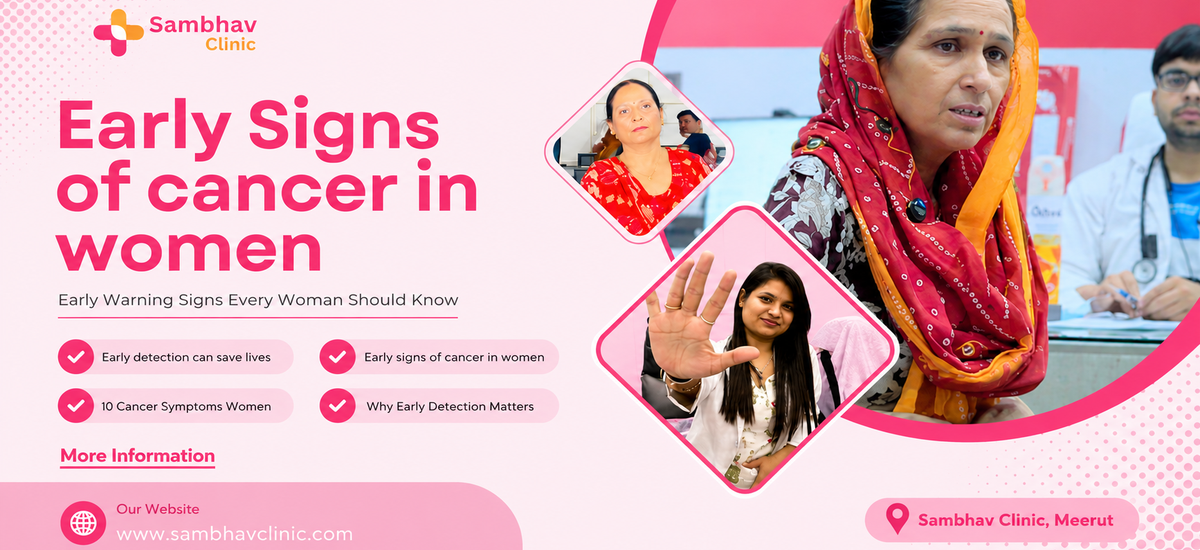
Every woman is busy. She is managing her home, her work, her children, and countless responsibilities. In all this rush, she often forgets the most important thing — her own body.
Many women notice something unusual but push it aside. They think it is stress. They think it will go away on its own. But sometimes, the body is trying to say something important.
Cancer symptoms in women are often subtle. They do not always look dramatic. That is exactly what makes them dangerous. When symptoms are ignored for months, cancer gets more time to grow — and treatment becomes much harder.
Early detection can save lives. This article will help you understand what signs to watch for, when to see a doctor, and why acting early always makes a difference.
Why Women Ignore Body Changes
Women are natural caregivers. They put everyone else first. A headache is dismissed as tiredness. Unusual bleeding is blamed on hormones. A persistent cough is linked to the weather.
There are also deeper reasons why women delay seeking help:
- Fear of what the doctor might find
- Lack of awareness about what normal versus abnormal body changes look like
- Busy routines that leave no time for self-care
- Financial pressure that makes medical visits feel like a luxury
- Social conditioning to stay strong and not complain
In India especially, many women feel guilty about spending time and money on themselves. But ignoring your body is never the right choice. Persistent symptoms should never be ignored.
Understanding Early Signs of Cancer in Women
Your body constantly sends signals. Most of the time, those signals are normal. But sometimes, they are warnings.
The early signs of cancer in women are not always painful. In fact, pain is often one of the last things to appear. That is why women must pay attention to changes that seem harmless — but keep coming back.
Think of it this way: if something in your body has changed and has not gone back to normal in 2–3 weeks,Cancer symptoms in women, it deserves a doctor’s attention. Not panic — just attention.
Early warning signs of cancer in women can include anything from unusual tiredness to changes in the skin, from unexpected weight loss to changes in your menstrual cycle. These are the signals your body sends before things get serious.
Being aware of these signs is the first step toward protecting your health.
10 Cancer Symptoms Women Should Never Ignore
1. Unexplained Weight Loss
Losing weight without dieting or exercising might feel like good news. But it is not always that simple.
Sudden, unexplained weight loss of 5 kg or more without any change in diet or activity can sometimes be a sign that something is wrong inside the body. Certain cancers affect how the body uses energy and nutrients.
If you are losing weight without trying, speak to a doctor — especially if it is happening quickly.
2. Constant Fatigue
Everyone feels tired. But cancer-related fatigue is different. It does not go away with rest. You sleep 8 hours and still feel exhausted. Daily tasks feel unusually heavy.
Unexplained, ongoing fatigue that does not improve with rest is one of the early signs of cancer in women that is most commonly overlooked. It is easy to blame a busy lifestyle — but if the tiredness is extreme and persistent, it needs to be checked.
3. Breast Changes
This is one of the most well-known cancer warning signs in women — and for good reason.
Watch for:
- A new lump or thickening in the breast or underarm
- Changes in breast shape or size
- Skin on the breast becoming dimpled or puckered
- Nipple discharge that is not related to breastfeeding
- Redness or flaking on the nipple or breast skin
Not every lump is cancer — but every new lump deserves medical evaluation. Do a self-exam once a month and schedule regular check-ups.
4. Unusual Bleeding
Any bleeding that is not part of your normal menstrual cycle should be taken seriously.
This includes:
- Bleeding between periods
- Bleeding after menopause
- Unusually heavy periods
- Bleeding after sexual intercourse
- Blood in urine or stool
Unusual vaginal bleeding can be an early warning sign of cervical or uterine cancer. Blood in the stool may indicate colorectal cancer. Do not assume it is just a hormonal issue without consulting a doctor.
5. Persistent Bloating
Feeling bloated occasionally after a heavy meal is completely normal. But bloating that lasts for more than 2–3 weeks — especially when combined with pelvic pain or difficulty eating — can be a warning sign of ovarian cancer.
Ovarian cancer is often called a “silent” cancer because its symptoms are easy to dismiss. Many women mistake it for digestive problems or IBS (irritable bowel syndrome).
If bloating is constant and does not have an obvious cause, see a doctor.
6. Skin Changes
Skin changes are not always about skin cancer. But they are always worth noticing.
Watch for:
- A mole that has changed in shape, size, or colour
- A sore that does not heal within a few weeks
- New dark patches on the skin
- Yellowing of the skin or eyes (jaundice), which may indicate liver problems
Any skin change that is new, growing, or not healing should be examined by a doctor.
7. Long-Lasting Pain
Pain that has no clear cause and does not go away — especially in areas like the pelvis, abdomen, or back — should not be ignored.
Persistent pelvic pain can sometimes be associated with cervical or ovarian cancer. Ongoing back pain in older women may be linked to kidney or colon issues.
Pain that has lasted more than a few weeks without a clear explanation needs medical attention.
8. Frequent Infections or Slow Healing
If you are falling sick repeatedly — getting frequent colds, fevers, or infections — it may indicate that your immune system is under stress.
Frequent infections or wounds that take unusually long to heal can sometimes be related to blood cancers like leukaemia, which affects how the immune system functions.
This is one of the less obvious cancer symptoms in women but it is important not to dismiss it as just low immunity.
9. Changes in Bathroom Habits
Changes in bowel or bladder habits that last more than a few weeks deserve attention:
- Diarrhoea or constipation that keeps coming back
- Blood in stools (red or very dark colour)
- Feeling like the bowel does not empty completely
- Frequent urination or blood in urine
Persistent changes in bathroom habits — especially with blood — should always be reported to a doctor. These can be signs of colorectal or bladder cancer.
10. Difficulty Swallowing
Occasional difficulty swallowing after eating too fast is normal. But persistent trouble swallowing food or liquids, especially with weight loss, can be a warning sign of throat or oesophageal cancer.
If you feel like food is getting stuck, or if swallowing is becoming painful or harder over time, do not wait. See a doctor as soon as possible.
Early Warning Signs of Cancer in Women: When to Act
You do not need to panic every time your body feels slightly off. But there are specific situations where you must seek medical advice promptly.
See a doctor if:
- Any symptom has lasted more than 2–3 weeks without improvement
- You are experiencing two or more of the symptoms mentioned above together
- A symptom is getting worse, not better
- You notice changes that feel new and unexplained
The early warning signs of cancer in women are the body’s way of asking for help before things become serious. Cancer symptoms in women Listening early is always the right decision.
You can also read more about early signs of cancer most people ignore to understand how subtle these signals can sometimes be.
Cancer Warning Signs in Women That Need Immediate Attention
Some signs should not wait for a scheduled appointment. Seek medical care immediately if you experience:
- Heavy or uncontrolled bleeding from any part of the body
- Sudden, severe pain in the abdomen, chest, or pelvis
- Unexplained lumps that are hard, painless, and growing
- Blood in urine or stool that has appeared suddenly
- Extreme and sudden weight loss over a few weeks
- Difficulty breathing combined with persistent chest pain
- Jaundice (yellowing of skin or eyes) without an obvious cause
These cancer warning signs in women should be evaluated by a healthcare professional as soon as possible. Early action gives you the best possible outcomes.
Why Early Detection Matters
This point cannot be stressed enough: cancer caught early is far easier to treat.
When cancer is detected at an early stage:
- Treatment options are wider and less aggressive
- Recovery is faster and more complete
- Side effects of treatment are often milder
- The emotional and financial burden on the family is reduced
- Quality of life during and after treatment is significantly better
According to the World Health Organization, early detection and treatment are among the most effective strategies for reducing cancer deaths worldwide.
A simple doctor’s visit today could make an enormous difference tomorrow.
Most women who are diagnosed with cancer at an early stage go on to live full, healthy lives. Awareness and timely action are the two most powerful tools you have.
Supportive Care During Cancer Treatment
A cancer diagnosis changes life — but it does not have to take over life. Cancer symptoms in women, Supportive care plays a vital role in how a woman feels during and after treatment.
Nutrition: Eating well supports the body’s healing process. Focus on fresh fruits, vegetables, whole grains, and adequate protein. Avoid processed foods, excess sugar, and alcohol.
Mental health: Anxiety and fear are completely natural. Speaking to a counsellor, joining a support group, or simply talking to a trusted friend can reduce emotional burden significantly.
Daily routine: Keeping a gentle routine — light walks, adequate sleep, staying socially connected — helps maintain a sense of normalcy and control.
Family support: When the family understands what the patient is going through, care becomes more effective and compassionate.
Wellness practices: Yoga, meditation, and breathing exercises can reduce stress, improve sleep, and support overall wellbeing alongside medical treatment.
No lifestyle change replaces medical treatment. But supporting your body and mind during treatment leads to better outcomes and a better quality of life.
Sambhav Clinic’s Supportive Approach to Women’s Health
At Sambhav Clinic, Meerut, we believe that every woman deserves personalised, compassionate care — not just treatment.
Our approach is patient-centred. We take the time to listen, explain, and guide. Cancer symptoms in women, We understand that navigating health concerns — especially something as serious as cancer — can be overwhelming. That is why our team is committed to providing clear information, emotional support, and holistic wellness guidance at every step.
Whether you are here for a routine check-up, to discuss a concerning symptom, or to understand your options better, we are here to help — with care, not just medicine.
To learn more about cancer care support in the region, visit our page on the best cancer hospital in Meerut.
Frequently Asked Questions (FAQs)
Q1. What are the most common cancer symptoms in women? The most common cancer symptoms in women include unexplained weight loss, constant fatigue, unusual bleeding, breast changes, persistent bloating, and changes in bathroom habits. Any symptom that lasts more than 2–3 weeks should be checked by a doctor.
Q2. At what age should women start watching for cancer warning signs? Women of all ages should be aware of their body. However, regular cancer screenings are generally recommended from the age of 25–30 for cervical cancer and from 40 for breast cancer. Women with a family history of cancer may need to start screening earlier.
Q3. Can stress cause symptoms that look like cancer? Yes, stress can cause many physical symptoms — fatigue, weight changes, digestive issues, and more. However, if these symptoms are persistent and unexplained, they should still be evaluated medically. A doctor can help determine the cause.
Q4. Is pain always a sign of cancer? No. In fact, many early-stage cancers cause no pain at all. That is why other early warning signs of cancer in women — like unusual bleeding, unexplained lumps, or persistent bloating — are so important to watch for.
Q5. How often should women go for cancer screening? This depends on age, family history, and individual risk factors. Generally, a Pap smear every 3 years (for cervical cancer), annual clinical breast exams, and regular general health check-ups are recommended. Speak to your doctor for a personalised screening plan.
Conclusion
Your body speaks to you every single day. The question is — are you listening?
Cancer symptoms in women are often quiet, subtle, and easy to dismiss. But they are also the body’s earliest cry for help. Recognising them and acting on time can mean the difference between a difficult journey and a much easier one.
You do not need to live in fear. You need to live in awareness. Notice the changes. Trust your instincts. And when something feels wrong, speak to a doctor without delay.
Early detection is not just about medicine — it is about self-respect and self-love. Every woman deserves the chance to catch a problem early and face it with strength.
If you or someone you love has noticed any of these signs, do not wait. Reach out to a trusted healthcare provider. A conversation today could protect a lifetime tomorrow.
📍 Connect With Sambhav Clinic
Getting started is simple. Reach out directly and book your initial consultation.
| 📍 Address | Plot No-6, Dream City, Gate No-2, Near SP Farm, Kanker Khera, Karnal Road, Meerut, Uttar Pradesh – 250001 |
| 📞 Phone | 6395566700 / 9259420584 |
| 🎥 YouTube | youtube.com/@SAMBHAVCLINIC |