What Is Lung Cancer?
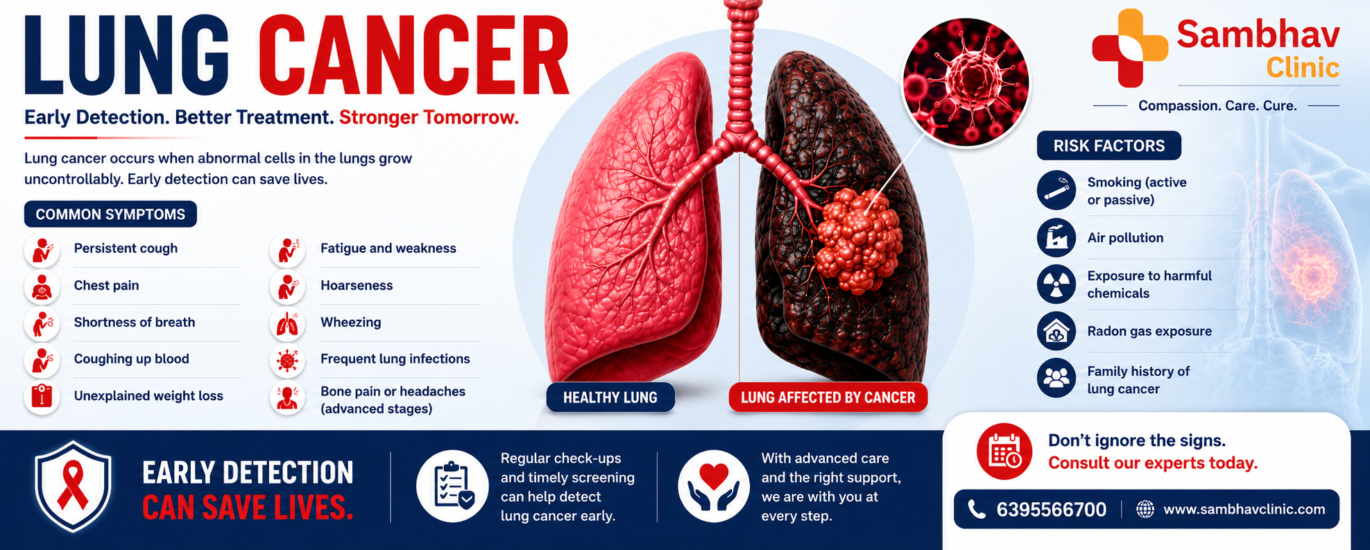
Lung cancer is one of the most common and serious types of cancer worldwide. It develops when abnormal cells in the lungs grow uncontrollably, forming tumors that interfere with normal lung function. Although smoking and lung cancer are closely linked, many people who have never smoked can also develop the disease due to genetics, air pollution, occupational exposure, or other environmental factors.
Early diagnosis significantly improves treatment outcomes, making awareness of early signs of lung cancer more important than ever.
Lung Cancer Symptoms You Should Never Ignore
One of the biggest challenges with lung cancer is that symptoms often appear only after the disease has progressed. However, recognizing the warning signs early can lead to faster diagnosis and better treatment outcomes.
Common lung cancer symptoms include:
- A persistent cough lasting more than three weeks
- Coughing up blood
- Chest pain that worsens with deep breathing
- Shortness of breath
- Wheezing
- Hoarseness
- Unexplained weight loss
- Fatigue
- Frequent lung infections such as pneumonia or bronchitis
- Bone pain or headaches in advanced stages
If you experience any of these symptoms, consult a healthcare professional promptly.
Early Signs of Lung Cancer
The early signs of lung cancer are often subtle and can be mistaken for common respiratory illnesses.
Watch for:
- Mild but persistent cough
- Slight breathing difficulty
- Recurrent chest infections
- Reduced exercise tolerance
- Unexplained fatigue
- Shoulder pain
- Loss of appetite
Routine medical checkups and screenings can help detect lung cancer before symptoms become severe.
Lung Cancer Causes and Risk Factors
While smoking remains the leading cause, several other factors contribute to lung cancer risk.
Smoking
Cigarette smoking accounts for the majority of lung cancer cases. The longer and more heavily a person smokes, the greater the risk.
Secondhand Smoke
- Even non-smokers can develop lung cancer after prolonged exposure to secondhand smoke.
Radon Gas
- Radon is a naturally occurring radioactive gas that can accumulate indoors and increase lung cancer risk.
Air Pollution
- Long-term exposure to polluted air and fine particulate matter has been associated with higher lung cancer rates.
Occupational Exposure
Sambhav Clinic’s Supportive Approach to Lung Cancer Care
- At Sambhav Clinic, Meerut, we believe that every patient facing lung cancer deserves personalized, compassionate care—not just treatment.
- Our patient-centered approach focuses on listening to your concerns, providing clear explanations, and guiding you through every stage of diagnosis, treatment, and recovery. We understand that symptoms such as a persistent cough, chest pain, shortness of breath, or coughing up blood can be worrying, and seeking medical advice can feel overwhelming.
- Our dedicated team is committed to offering accurate information, emotional support, and evidence-based care to help patients and their families make informed decisions with confidence.
- Whether you are experiencing possible symptoms of lung cancer, seeking a second opinion, or exploring treatment options, Sambhav Clinic is here to support you with compassion, expertise, and personalized attention.
- To learn more about our cancer care services or book a consultation, visit https://sambhavclinic.com/cancer-treatment/.Workers exposed to asbestos, diesel exhaust, arsenic, silica, or certain industrial chemicals may face increased risk.
Types of Lung Cancer
There are two primary forms of lung cancer.
Non-Small Cell Lung Cancer (NSCLC)
Non-small cell lung cancer (NSCLC) accounts for approximately 85% of all cases. It generally grows more slowly and offers more treatment options when diagnosed early.
Common subtypes include:
- Adenocarcinoma
- Squamous cell carcinoma
- Large cell carcinoma
Small Cell Lung Cancer (SCLC)
Small cell lung cancer (SCLC) is less common but much more aggressive. It spreads rapidly and often requires immediate treatment with chemotherapy, immunotherapy, and radiation.
How Lung Cancer Is Diagnosed
Doctors use several tests to diagnose lung cancer accurately.
Diagnostic methods include:
- Chest X-ray
- Low-dose CT scan
- PET scan
- MRI
- Bronchoscopy
- Needle biopsy
- Molecular and genetic testing
Early diagnosis provides more treatment options and improves survival.
Lung Cancer Screening
Lung cancer screening using a low-dose CT scan is recommended for individuals at high risk, particularly long-term smokers within eligible age groups based on clinical guidelines.
Screening can detect tumors before symptoms develop, improving the chances of successful treatment.
Lung Cancer Treatment Options
Treatment depends on the cancer type, stage, and the patient’s overall health.
Surgery
If cancer is localized, surgery may remove part or all of the affected lung tissue.
Radiation Therapy
Radiation uses high-energy beams to destroy cancer cells and may be combined with surgery or chemotherapy.
Chemotherapy
Chemotherapy uses drugs to kill rapidly growing cancer cells and remains a standard treatment for many advanced cases.
Targeted Therapy
Targeted therapy attacks specific genetic mutations within cancer cells while minimizing damage to healthy tissue.
Immunotherapy
Immunotherapy helps the immune system recognize and destroy cancer cells and has transformed treatment for many patients with advanced lung cancer.
Best Cancer Treatment in India :- sambhav clinic
Lung Cancer Survival Rate
The lung cancer survival rate varies depending on:
- Stage at diagnosis
- Cancer type
- Overall health
- Response to treatment
- Access to advanced therapies
Patients diagnosed at an early stage generally have much better outcomes than those diagnosed after the cancer has spread.
Can Lung Cancer Be Prevented?
Although not every case can be prevented, several lifestyle changes can reduce risk.
Prevention Tips
- Quit smoking
- Avoid secondhand smoke
- Test your home for radon
- Reduce exposure to air pollution whenever possible
- Wear protective equipment in hazardous workplaces
- Eat a balanced diet rich in fruits and vegetables
- Exercise regularly
- Attend recommended health screenings
Living With Lung Cancer
A lung cancer diagnosis can be physically and emotionally challenging. Support from healthcare providers, family, counselors, nutritionists, and patient support groups can improve quality of life during treatment.
Maintaining healthy nutrition, staying active within medical recommendations, and following treatment plans can help patients manage side effects and remain resilient.
Frequently Asked Questions
What is the first symptom of lung cancer?
Here are SEO-friendly FAQs for your Lung Cancer blog. They are written in a professional, easy-to-read style and include a natural mention of Sambhav Clinic without making unsupported medical claims.
Frequently Asked Questions (FAQs)
1. What is lung cancer?
Lung cancer is a disease in which abnormal cells in the lungs grow uncontrollably and form tumors. It is one of the most common cancers worldwide. Early diagnosis and appropriate treatment can improve outcomes.
2. What are the early symptoms of lung cancer?
Common early symptoms include:
- A persistent cough
- Chest pain
- Shortness of breath
- Coughing up blood
- Unexplained weight loss
- Fatigue
- Hoarseness
If these symptoms persist for more than a few weeks, consult a healthcare professional.
3. What causes lung cancer?
Smoking is the leading cause of lung cancer. Other risk factors include exposure to secondhand smoke, radon gas, asbestos, air pollution, certain occupational chemicals, and a family history of lung cancer.
4. Can non-smokers get lung cancer?
Yes. Although smoking is the biggest risk factor, lung cancer can also occur in people who have never smoked. Environmental exposures, genetic factors, and certain medical conditions may contribute to the risk.
5. Is lung cancer curable?
Some lung cancers can be treated successfully, especially when detected at an early stage. Treatment options and outcomes depend on the type of lung cancer, its stage, and the patient’s overall health.
6. How is lung cancer diagnosed?
Doctors may recommend one or more of the following tests:
- Chest X-ray
- CT scan
- PET scan
- Bronchoscopy
- Biopsy
- Blood tests
A confirmed diagnosis usually requires examination of a tissue sample.
7. What are the treatment options for lung cancer?
Treatment may include:
- Surgery
- Chemotherapy
- Radiation therapy
- Targeted therapy
- Immunotherapy
Your doctor will recommend the most appropriate treatment plan based on your diagnosis.
8. Can lung cancer be prevented?
While not all cases can be prevented, you can lower your risk by:
- Avoiding tobacco use
- Staying away from secondhand smoke
- Testing your home for radon where appropriate
- Reducing exposure to harmful chemicals
- Eating a balanced diet
- Exercising regularly
- Going for regular health check-ups
9. When should I see a doctor for lung cancer symptoms?
You should seek medical evaluation if you have a persistent cough, coughing up blood, unexplained weight loss, chest pain, difficulty breathing, or recurring lung infections.
10. Where can I get expert guidance for lung cancer in Meerut?
If you are experiencing symptoms or have concerns about lung cancer, you can learn more about cancer care and consultation at Sambhav Clinic.
Best Cancer Treatment in India
Visit : https://sambhavclinic.com/ (Sambhav Clinic)
11. Why choose Sambhav Clinic for cancer care?
Sambhav Clinic provides cancer care services with a patient-centered approach, offering personalized treatment plans and consultations. You can explore their cancer care services and book an appointment through their official website. (Sambhav Clinic)
Website: https://sambhavclinic.com/
12. How can I book an appointment at Sambhav Clinic?
You can book a consultation by visiting the official website or contacting the clinic directly through the contact details available on their Contact Us page. (Sambhav Clinic)
Website: https://sambhavclinic.com/
These 12 FAQs are optimized for SEO, target common user questions, and can also be used as FAQ Schema in WordPress to improve your chances of earning rich results in Google Search.
Final Thoughts
Lung cancer remains a major global health challenge, but advances in lung cancer screening, targeted therapy, and immunotherapy are improving outcomes for many patients. Recognizing early signs of lung cancer, understanding the risk factors, and seeking prompt medical evaluation can make a significant difference.
If you or someone you know experiences persistent respiratory symptoms, consult a qualified healthcare professional without delay. Early detection remains one of the most effective tools in the fight against lung cancer.
📍 Connect With Sambhav Clinic
Getting started is simple. Reach out directly and book your initial consultation.
| 📍 Address | Plot No-6, Dream City, Gate No-2, Near SP Farm, Kanker Khera, Karnal Road, Meerut, Uttar Pradesh – 250001 |
| 📞 Phone | 6395566700 / 9259420584 |
| 🎥 YouTube | youtube.com/@SAMBHAVCLINIC |