

Kidney Stone : Causes, Symptoms and Ayurvedic Treatment
Kidney sand is a common urinary health concern that many people overlook. It refers to tiny mineral crystals that develop inside the kidneys. Over time, these crystals may combine and form larger kidney stones.
Many people experience back pain, burning during urination and frequent bathroom visits. However, they may not understand what is causing these problems.
In this article, we will explain the causes of kidney sand, its common symptoms and available treatment options. Additionally, you will learn how Ayurveda approaches kidney health and how Sambhav Clinic in Meerut provides Ayurvedic healthcare consultations.
What Is Kidney stone ?
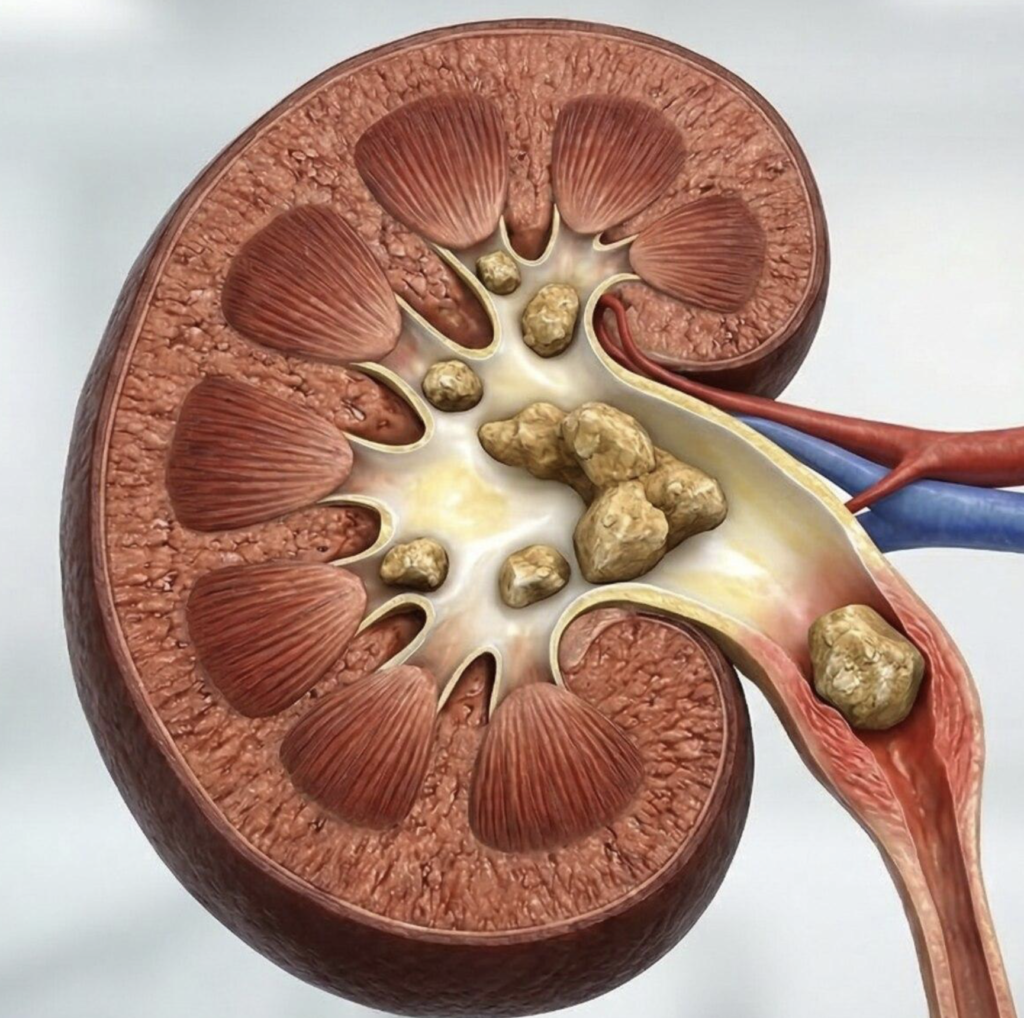
Kidney stone is a commonly used term for tiny mineral crystals that develop in the kidneys or urinary tract. These crystals form when certain minerals become highly concentrated in urine.
For example, calcium, oxalate and uric acid can contribute to crystal formation. As a result, small crystals may develop into kidney stones over time.
Sometimes, tiny particles pass naturally through urine. However, larger stones may cause pain, discomfort or urinary blockage.
What Are the Main Causes of Kidney Sand?
Several factors can contribute to kidney sand formation. Understanding these causes can help you take better care of your kidneys.
1. Drinking Less Water
Dehydration is one of the common risk factors for kidney stone formation. When you drink less water, your urine becomes more concentrated.
Consequently, minerals can collect and form tiny crystals. Therefore, maintaining proper hydration is important for kidney health.
2. Excessive Salt Consumption
Eating too much salt can increase calcium levels in urine. This may raise the risk of developing certain types of kidney stones.
For better kidney health, reduce excessive salt in your daily meals.
3. Unhealthy Eating Habits
An unbalanced diet may increase the risk of kidney stone formation. For instance, excessive sodium, certain oxalate-rich foods and too much animal protein can contribute to the problem in susceptible individuals.
Therefore, a balanced diet is an important part of kidney care.
4. Family History
Family history can also influence kidney stone formation. If your parents or close relatives have experienced kidney stones, your risk may be higher.
Additionally, some inherited conditions can affect how your body processes minerals.
5. Certain Medical Conditions
Some digestive disorders, metabolic conditions and urinary tract problems can increase the risk of kidney stones.
Similarly, certain infections may contribute to the formation of specific types of stones.
Common Symptoms of Kidney Sand

Small kidney crystals do not always cause noticeable symptoms. However, when they move through the urinary tract, they may produce discomfort.
Here are some common warning signs:
- Pain in the lower back or sides.
- Burning sensation while urinating.
- Frequent urge to pass urine.
- Cloudy or unpleasant-smelling urine.
- Blood in the urine.
- Pain in the lower abdomen.
- Nausea or vomiting.
However, these symptoms can also indicate other medical conditions. Therefore, proper medical diagnosis is important.
Important: Seek urgent medical attention if you experience severe pain, fever, chills, repeated vomiting or difficulty passing urine.
How Is Kidney stone Diagnosed?

Proper diagnosis helps doctors understand the size, location and possible cause of kidney stones.
Depending on your symptoms, a doctor may recommend the following tests.
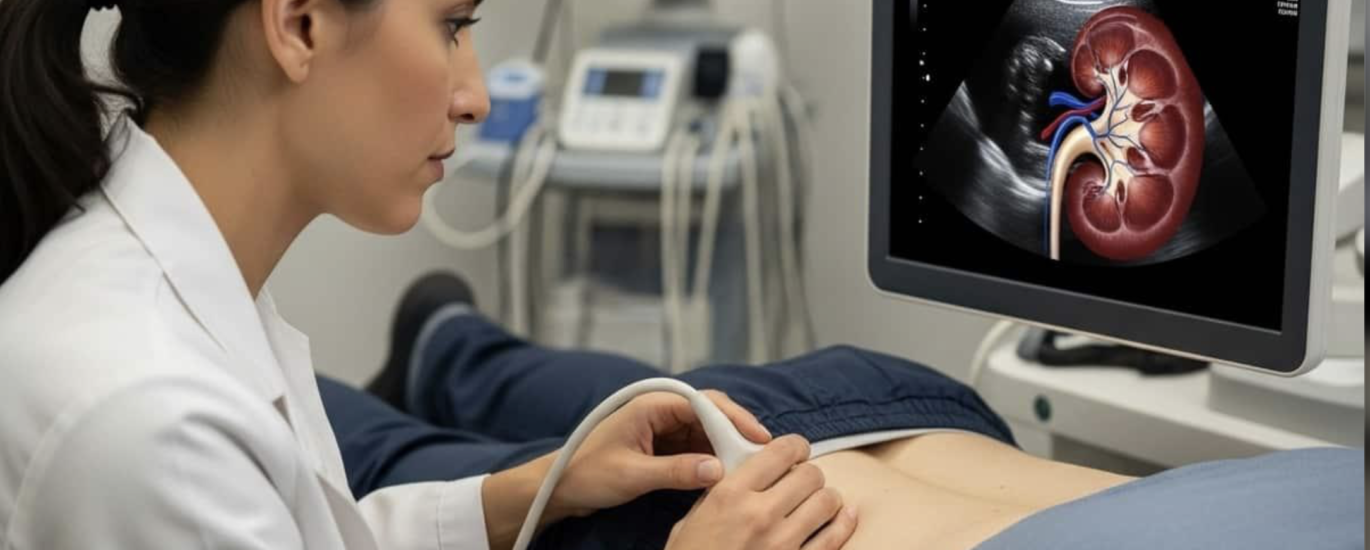
1. Ultrasound
An ultrasound helps examine the kidneys and identify many kidney stones or urinary blockages.
2. Urine Test
A urine test can detect blood, signs of infection and certain substances associated with stone formation.
3. Blood Test
Blood tests help evaluate kidney function and check certain mineral levels.
4. CT Scan
In some cases, doctors recommend a CT scan. It provides detailed information about the location and size of kidney stones.
As a result, doctors can select a suitable treatment plan.
Ayurvedic Approach to Kidney Stone Treatment
Ayurveda has a traditional approach to urinary health. In Ayurvedic literature, urinary stone-related conditions are described under the term Ashmari.
The Ayurvedic approach may include individual health assessment, dietary guidance and lifestyle management.
However, scientific evidence supporting Ayurvedic medicines as a reliable way to dissolve or remove kidney stones remains limited. Therefore, patients should not replace necessary medical treatment with herbal remedies.
1. Personalised Ayurvedic Consultation
Ayurvedic practitioners consider a person’s health history, symptoms and lifestyle before recommending care.
Additionally, previous medical reports can help practitioners understand the patient’s condition.
2. Dietary Management
Food habits play an important role in kidney health. Depending on the type of kidney stone, dietary changes may help reduce the risk of recurrence.
For example:
- Reduce excessive salt consumption.
- Avoid unnecessary dietary supplements.
- Follow a balanced diet.
- Maintain adequate hydration.
- Limit excessive animal protein when advised.
However, dietary recommendations should depend on the type of kidney stone.
3. Proper Hydration
Drinking enough water helps dilute urine. Consequently, it may reduce the concentration of minerals that contribute to stone formation.
Nevertheless, people with certain kidney or heart conditions may need fluid restrictions. Always follow medical advice.
4. Ayurvedic Medicines Under Medical Guidance
Some traditional Ayurvedic preparations are used for urinary health. However, their effectiveness for treating kidney stones has not been established through strong clinical evidence.
Therefore, never take herbal medicines without professional guidance. Some products may contain harmful substances or affect kidney function.
5. Healthy Lifestyle
Daily habits can also influence kidney health. Regular physical activity, healthy eating and maintaining an appropriate body weight may help reduce certain risk factors.
In addition, regular medical check-ups are important for people with a history of kidney stones.
Modern Medical Treatment for Kidney Stones
Treatment depends on the size, location and type of kidney stone. Fortunately, several medical options are available.
- Observation: Some small stones may pass naturally with medical monitoring.
- Medicines: Doctors may prescribe pain relief or medicines to help certain stones pass.
- Shock Wave Lithotripsy: This procedure uses sound waves to break stones into smaller pieces.
- Ureteroscopy: A specialist uses a thin instrument to locate and remove or break stones.
- Surgery: Some large or complicated stones require specialised surgical treatment.
Therefore, consult a qualified urologist before choosing any treatment.
How Can You Prevent Kidney Stone ?
Prevention is an important part of maintaining healthy kidneys. Fortunately, some daily habits may help reduce the risk of kidney stone formation.
Follow these simple tips:
- Drink enough water as advised by your doctor.
- Reduce excessive salt in your meals.
- Maintain a balanced diet.
- Avoid unnecessary supplements.
- Maintain a healthy body weight.
- Do not ignore urinary infections.
- Get regular health check-ups.
Most importantly, people who have previously experienced kidney stones should follow personalised prevention advice.
Ayurvedic Kidney Care at Sambhav Clinic, Meerut
Sambhav Clinic is an Ayurvedic healthcare centre in Meerut, Uttar Pradesh. The clinic focuses on Ayurveda, naturopathy, holistic wellness and individualised healthcare consultations.
People experiencing kidney-related health concerns can visit Sambhav Clinic for consultation and guidance about suitable healthcare options.
Additionally, patients can bring their previous ultrasound reports, urine tests and other medical records for discussion during their consultation.
Why Visit Sambhav Clinic?
- Ayurvedic healthcare consultations.
- Individualised health guidance.
- Dietary and lifestyle guidance.
- Focus on holistic wellness.
- Guidance for understanding kidney-related health concerns.
At Sambhav Clinic, the focus is on understanding individual health needs and discussing appropriate care options.
Please remember: Ayurvedic consultation should not replace evaluation by a qualified nephrologist or urologist. Kidney stones can sometimes cause serious complications, particularly when they block urine flow or lead to infection. Never delay necessary medical treatment.
Contact Sambhav Clinic, Meerut
Clinic Name: Sambhav Clinic – Nurturing Health, Restoring Hope.
Full Address: Dream City Gate No. 2, Kanakhera, Meerut – 250001, Uttar Pradesh, India.
Contact Numbers:
- +91 92594 20584
- +91 63955 66700
OPD Timing: 8:00 AM to 5:00 PM.
Website: https://sambhavclinic.com
For consultation and appointment information, contact Sambhav Clinic.
Frequently Asked Questions About Kidney Sand
1. What is the main cause of kidney sand?
Dehydration is an important risk factor. However, dietary habits, family history and certain medical conditions can also contribute to crystal formation.
2. Can kidney sand turn into kidney stones?
Yes. Tiny mineral crystals can combine and grow into larger deposits. Eventually, these deposits may develop into kidney stones.
3. Can Ayurveda treat kidney sand?
Ayurveda offers traditional dietary and lifestyle approaches. However, strong scientific evidence supporting Ayurvedic medicines as a reliable kidney stone treatment is currently limited. Always consult qualified healthcare professionals.
4. Can kidney sand pass through urine naturally?
Some tiny crystals and small stones may pass naturally. Nevertheless, the outcome depends on their size, location and the patient’s medical condition.
5. Is drinking water helpful for kidney stones?
Yes. Adequate water intake helps dilute urine and may reduce the risk of certain kidney stones. However, individual fluid requirements can vary.
6. When should I consult a doctor?
Consult a doctor if you experience back pain, burning urination, blood in urine or frequent urinary problems. Furthermore, seek urgent medical attention if you develop fever, chills or severe pain.
Conclusion
Kidney sand may seem like a small problem, but ignoring urinary symptoms can lead to complications. Therefore, understanding its causes, recognising early symptoms and getting the right diagnosis are important.
With proper medical guidance, healthy eating habits and suitable treatment, many kidney stone problems can be managed effectively.
For Ayurvedic healthcare consultation and wellness guidance, visit Sambhav Clinic in Meerut.
Sambhav Clinic – Nurturing Health, Restoring Hope.