Kidney Treatment: Frequently Asked Questions (FAQs) | Sambhav Clinic
Find clear answers on Ayurvedic kidney treatment, chronic kidney disease (CKD), early symptoms, helpful herbs, dialysis and kidney-friendly diet from the doctors at Sambhav Clinic, an Ayurvedic clinic in Meerut, Uttar Pradesh.
How does Ayurveda help in kidney disease treatment?
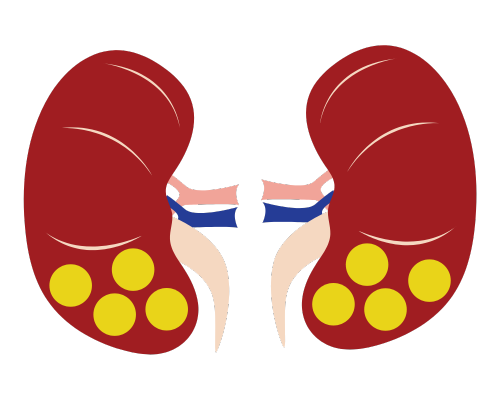
Ayurvedic kidney treatment focuses on herbal formulations, dietary changes, lifestyle modification and detoxification therapies. The aim is to support kidney function, help manage symptoms such as swelling and fatigue, and reduce inflammation. The plan is personalised after a consultation and is meant to work alongside, not replace, regular medical tests and advice from your nephrologist.
Can Ayurveda cure chronic kidney disease (CKD)?
No treatment can promise a complete cure for advanced chronic kidney disease (CKD). Ayurvedic care aims to support remaining kidney function, ease symptoms and help slow progression, and it works best when started early. Results differ from person to person, so regular monitoring of creatinine and eGFR is important. Never stop prescribed medicines or dialysis without your doctor's advice.
What are the early signs of kidney disease?
Common early symptoms of kidney disease include:
- Swelling in legs, ankles or face
- Frequent urination, especially at night
- Fatigue and weakness
- Loss of appetite
- Nausea or vomiting
- High blood pressure
These signs can have other causes too. If you notice them, get a kidney function test and consult a doctor.
Can Ayurveda treat fatty liver disease?
Ayurvedic care for non-alcoholic fatty liver disease (NAFLD) and alcohol-related fatty liver disease (AFLD) includes herbal formulations, detox therapies, dietary changes and yoga. These aim to support liver health and help reduce liver fat. Avoiding alcohol and regular liver check-ups are essential. Read more on our Ayurvedic liver treatment page.
Which Ayurvedic herbs are beneficial for kidney health?
Herbs traditionally used in Ayurveda for kidney and urinary health include:
- Punarnava: traditionally used to reduce swelling and support kidney filtration
- Gokshura: supports urinary health
- Varun: traditionally used for urinary stone complaints
- Triphala: supports digestion and detoxification
- Palash: traditionally used to support kidney function
Use these only under the guidance of a qualified Ayurvedic doctor, as the right herbs and doses depend on your kidney stage and other medicines.
Can Ayurvedic treatment prevent dialysis?
If kidney disease is detected early, Ayurvedic therapies combined with diet, blood pressure and sugar control may help support kidney function and delay progression. No one can guarantee that dialysis will be avoided, because it depends on the stage and cause of the disease. Decisions about dialysis should always involve your nephrologist.
Is Ayurvedic kidney treatment safe?
Ayurvedic treatment uses natural herbal ingredients, but natural does not automatically mean risk-free, especially for kidney patients. It is safest when prescribed by an experienced practitioner who knows your reports and current medicines, with regular follow-up tests.
What foods should I avoid for kidney health?
For better kidney health, limit or avoid:
- Processed foods and high-sodium diets
- Carbonated and sugary drinks
- Excessive protein intake, such as red meat
- Fried and junk food
- Alcohol and smoking
Restrictions on potassium, phosphorus and fluids depend on your kidney stage, so follow the plan your doctor gives you.
What is the best diet for kidney health?
A kidney-friendly diet is fresh, home-cooked and low in salt, with protein in the amount your doctor advises. Seasonal vegetables, whole grains and plenty of water are generally helpful, but patients with advanced CKD may need limits on potassium, phosphorus and fluids. Ask for a personalised diet chart based on your reports.
Need personal advice on your kidney reports?
Book a consultation with our Ayurvedic doctors at Sambhav Clinic, Meerut. Please bring your latest creatinine, eGFR and urine reports.
Call +91 92594 20584 Book an appointmentThis information is for general awareness and is not a substitute for medical advice. Do not stop or change any prescribed medicine or dialysis without consulting your doctor. Results vary from person to person.