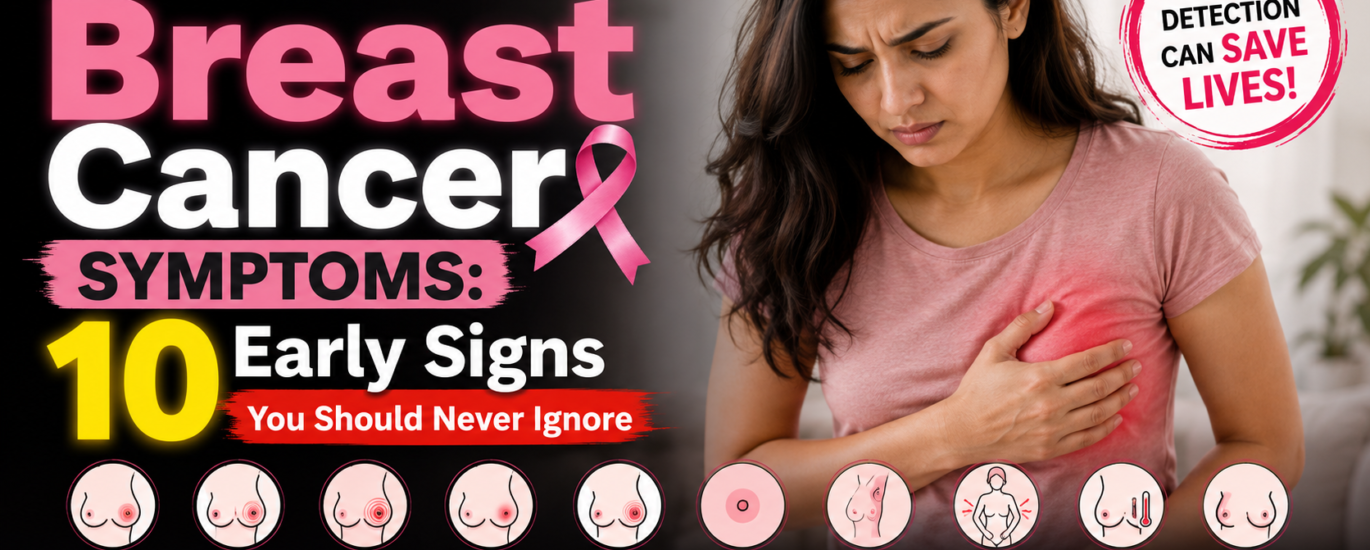
Breast Cancer Symptoms: Early Signs You Should Know
Breast cancer is a condition that can affect both women and men, although it is much more common in women. Knowing the possible breast cancer symptoms can help you recognize unusual changes and seek appropriate medical advice.
A new lump or mass is one of the most common symptoms of breast cancer. However, most breast lumps are not cancerous, so finding a lump does not mean that you have cancer. Any new or unusual breast change should be checked by a qualified healthcare professional.
What Are the Common Breast Cancer Symptoms?
Breast cancer can cause different changes in the breast, nipple, chest, or nearby lymph nodes.
Common breast cancer signs and symptoms may include:
- A new lump in the breast
- Swelling in the breast or armpit
- A change in breast size or shape
- Skin dimpling or puckering
- Redness or changes in breast skin
- Thickened or scaly skin around the nipple
- Nipple turning inward
- Unusual nipple discharge
- Bloody nipple discharge
- Persistent breast or nipple changes
- Swelling or a lump near the collarbone or under the arm
These symptoms can have many causes other than cancer, but a new or unexplained change should not be ignored.
1. Breast Lump or Swelling
A new breast lump is one of the most commonly recognized breast cancer symptoms.
A cancerous lump may feel hard or firm and may have irregular edges, although breast cancers can also feel soft, round, tender, or painful. Importantly, many breast lumps are caused by conditions other than cancer.
If you notice a new lump in your breast, chest, or armpit, arrange a medical evaluation rather than trying to diagnose it yourself.
2. Changes in Breast Size or Shape
A noticeable change in the size or shape of one breast can be another warning sign.
Pay attention to changes that are new or unusual for you, particularly if they occur together with a lump, skin change, or nipple change.
3. Skin Changes on the Breast
Changes in breast skin can include:
- Dimpling or puckering
- Redness
- Thickening
- Scaling or flaking
- An orange-peel appearance
Skin dimpling can make the surface of the breast look uneven or similar to the texture of an orange peel.
4. Nipple Changes
Changes involving the nipple can sometimes be associated with breast cancer.
Watch for:
- Nipple turning inward
- New changes in nipple shape
- A rash or skin change around the nipple
- Unusual nipple discharge
- Discharge containing blood
Nipple changes can also occur because of other conditions, so they need appropriate medical assessment rather than self-diagnosis.
5. Unusual Nipple Discharge
Nipple discharge that occurs when you are not pregnant or breastfeeding should be evaluated, particularly if it is new or contains blood.
Nipple discharge does not automatically mean breast cancer, but it is one of the changes worth discussing with a healthcare professional.
6. Breast or Nipple Pain
Breast pain is a common concern, but breast pain by itself is usually not a sign of breast cancer.
Cancer-related breast pain can occur, particularly when it is persistent or accompanied by another breast or nipple change.
Therefore, persistent or unusual pain should be assessed rather than assumed to be cancer.
7. Lump or Swelling Under the Arm
Sometimes breast cancer can involve nearby lymph nodes, which may cause a lump or swelling under the arm or near the collarbone. This can occasionally happen before the breast tumor is large enough to feel.
A new lump in the armpit can also have many non-cancerous causes, including infections, so medical evaluation is important.
Early Breast Cancer Symptoms Can Be Easy to Miss
Some people may not notice obvious symptoms in the early stages.
Breast cancer screening can sometimes identify breast cancer before symptoms develop, which is why following appropriate screening recommendations is important.
You should also become familiar with how your breasts normally look and feel. This can make it easier to notice changes that are unusual for you.
When Should You See a Doctor?
You should seek medical advice if you notice:
- A new breast or armpit lump
- Unexplained breast swelling
- A new change in breast size or shape
- Skin dimpling or unusual redness
- Nipple inversion that is new
- Unusual nipple discharge
- Bloody nipple discharge
- A persistent or unexplained breast change
Having one of these symptoms does not mean that you have breast cancer. Many breast changes are caused by benign conditions. However, getting a new or unusual change checked is important.
How Can You Check for Breast Changes?
Knowing what is normal for your breasts can help you recognize changes.
You can regularly:
- Look at your breasts in a mirror.
- Check for changes in size or shape.
- Look for skin dimpling, redness, or other unusual changes.
- Check for nipple changes.
- Feel around the breast and armpit for new lumps or swelling.
- Speak with a healthcare professional if you notice something unusual.
The NHS recommends becoming familiar with how your breasts or chest normally look and feel so that changes are easier to identify.
Can Breast Cancer Symptoms Occur Without Pain?
Yes.
Breast cancer symptoms do not necessarily cause pain. A new breast lump or other breast change may occur without discomfort. The NHS notes that breast cancer symptoms can occur without pain, and breast pain alone is not usually a sign of breast cancer.
This is why it is important to pay attention to changes in appearance, size, texture, nipples, and lumps, rather than waiting for pain.
Breast Cancer Symptoms in Men
Breast cancer can also occur in men, although it is rare.
Possible symptoms include:
- A lump near or under the nipple
- Nipple turning inward
- Skin dimpling
- Redness or scaling
- Nipple discharge
- Swelling under the arm
Men who notice a new breast or nipple change should also seek medical evaluation.
Frequently Asked Questions
What is the most common symptom of breast cancer?
A new lump or mass in the breast is the most common symptom, although most breast lumps are not cancer.
Is breast pain a sign of breast cancer?
Breast pain by itself is usually not a sign of most breast cancers. Persistent pain or pain accompanied by another unusual breast change should be evaluated.
Is every breast lump cancer?
No. Many breast lumps are benign and are not caused by cancer. However, every new or unusual lump should be assessed by a healthcare professional.
Can breast cancer occur without a lump?
Yes. Breast cancer can sometimes cause changes such as skin dimpling, nipple changes, swelling, or unusual discharge without an obvious lump.
Can men get breast cancer?
Yes. Breast cancer can occur in men, although it is rare.
Conclusion
Knowing the breast cancer symptoms can help you recognize changes early. A new lump, breast swelling, skin dimpling, nipple changes, unusual discharge, or changes in breast size and shape should be taken seriously.
Remember that these symptoms do not automatically mean cancer. Many breast conditions are non-cancerous. However, if you notice a new or unusual change, consult a qualified healthcare professional for appropriate evaluation.
Early detection can sometimes help identify breast cancer at a stage when treatment is more likely to be successful.