
Winter Health Guide | Sambhav Clinic, Meerut
Winter brings cold mornings, warm clothes and changes in our daily routines. However, colder weather can also put extra stress on the heart.
During winter, many people reduce their physical activity. In addition, they may eat heavier meals and drink less water. These habits can affect overall health, particularly in people with existing medical conditions.
Therefore, maintaining good heart health during winter is important. Simple lifestyle changes can help you build healthier daily habits.
In this blog, Sambhav Clinic shares seven practical winter heart health tips. You will also learn about common warning signs and the role of holistic wellness.
Table of Contents
- How Does Winter Affect Heart Health?
- Who Is More at Risk During Winter?
- 7 Everyday Habits for Better Heart Health
- Warning Signs of a Heart Attack
- The Role of Ayurveda in Holistic Wellness
- Heart Health and Sambhav Clinic
- Conclusion
- Frequently Asked Questions
1. How Does Winter Affect Heart Health?
Cold weather can affect the cardiovascular system in several ways.
When temperatures fall, blood vessels become narrower to help the body retain heat. As a result, blood pressure may increase. Consequently, the heart may need to work harder to circulate blood.
According to the American Heart Association, cold weather can create additional strain on people with existing heart conditions.
Moreover, winter often changes our everyday habits. People may exercise less and spend more time indoors. Similarly, heavier meals and reduced water intake can affect overall health.
Some common winter-related concerns include:
- Changes in blood pressure.
- Reduced physical activity.
- Unhealthy eating habits.
- Exposure to very cold temperatures.
- Extra physical strain during outdoor activities.
For these reasons, winter is a good time to pay attention to your heart health.
2. Who Is More at Risk During Winter?
Cold weather can affect anyone. However, certain people need extra care during winter.
These include individuals who:
- Have high blood pressure.
- Have diabetes or high cholesterol.
- Have an existing heart condition.
- Have a history of heart disease.
- Are older adults.
- Smoke or use tobacco.
- Have a family history of cardiovascular disease.
Furthermore, people taking regular heart medicines should continue following their doctor’s instructions.
If you have an existing medical condition, consult your healthcare professional before changing your exercise or diet routine.
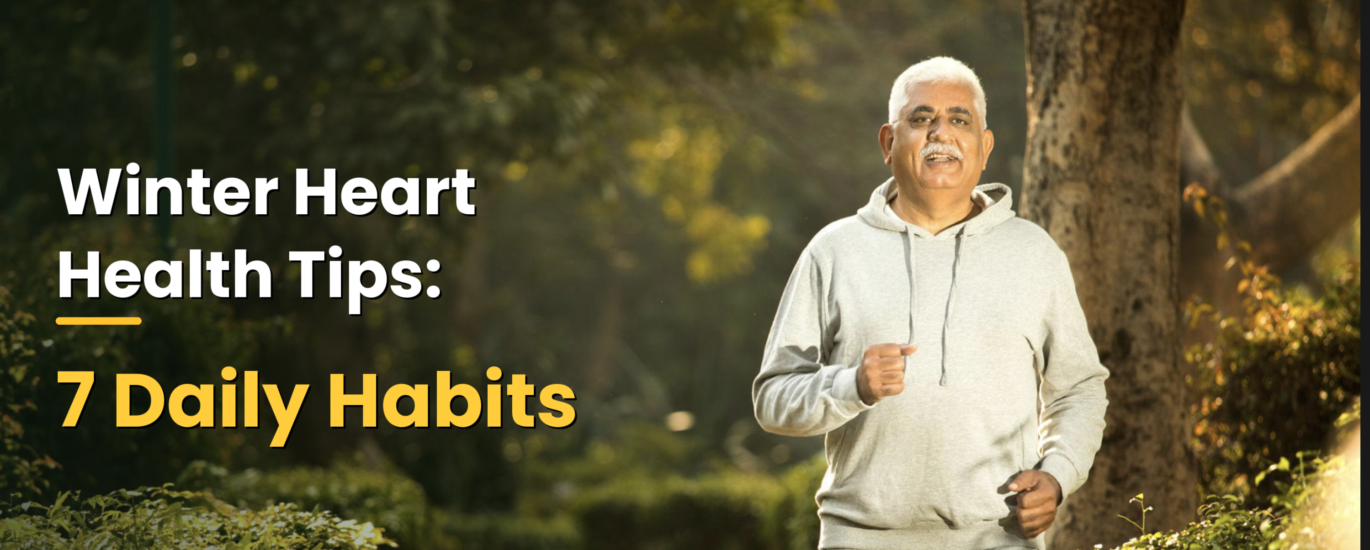
3. 7 Everyday Habits for Better Heart Health This Winter

Healthy habits do not need to be complicated. Instead, small changes in your daily routine can support better overall health.
Here are seven practical habits to follow.
1. Wear Warm Clothes Before Going Outside
Cold mornings can be uncomfortable. More importantly, sudden exposure to cold weather may increase cardiovascular strain.
Therefore, dress warmly before leaving your home.
Follow these simple precautions:
- Wear warm layers of clothing.
- Cover your head and ears.
- Keep your hands and feet warm.
- Avoid prolonged exposure to cold air.
Additionally, older adults and people with heart conditions should take extra precautions.
2. Stay Physically Active Every Day
Regular physical activity is an important part of a healthy lifestyle. However, many people reduce exercise during winter.
Fortunately, you can remain active indoors as well.
For example, try these activities:
- Walking inside your home.
- Gentle yoga.
- Light stretching.
- Doctor-approved exercises.
- Regular household activities.
Moreover, begin with light movements and increase activity gradually. If you have heart disease, ask your doctor which exercises are suitable.
3. Choose a Balanced Winter Diet
Winter brings many tempting foods. However, excessive fried snacks, sweets and salty foods may affect your health.
Instead, choose a balanced diet that includes:
- Seasonal vegetables.
- Fresh fruits.
- Whole grains.
- Pulses and lentils.
- Appropriate portions of nuts.
- Homemade meals with limited salt.
In addition, reduce excessive consumption of sugary drinks and highly processed foods.
People with diabetes or kidney disease should follow an individualised diet recommended by their healthcare professional.
4. Drink Enough Water
Many people feel less thirsty during winter. Nevertheless, the body still needs adequate fluids.
To maintain healthy hydration:
- Drink water regularly throughout the day.
- Choose warm water if you prefer it.
- Avoid replacing water with excessive tea or coffee.
- Follow medical advice about fluid intake.
For people with kidney or heart conditions, fluid requirements may differ. Therefore, always follow your doctor’s recommendations.
5. Monitor Your Blood Pressure
Blood pressure monitoring is important, particularly for people with hypertension.
Cold weather may increase blood pressure in some individuals. Therefore, regular monitoring can help you understand changes in your readings.
You should:
- Check your blood pressure as advised.
- Maintain a record of your readings.
- Take prescribed medicines regularly.
- Attend routine medical check-ups.
Furthermore, share your readings with your doctor if they remain higher than your recommended range.
6. Maintain Proper Sleep and Manage Stress
Good sleep supports overall health. Similarly, managing daily stress can improve general well-being.
Try these simple habits:
- Maintain a regular sleep schedule.
- Avoid excessive screen time before bedtime.
- Practise relaxation techniques.
- Spend time on activities you enjoy.
- Aim for 7–9 hours of sleep, depending on your needs.
In addition, consult a healthcare professional if you regularly experience sleep problems.
7. Avoid Smoking and Unhealthy Habits
Smoking can damage blood vessels and increase the risk of cardiovascular disease.
Therefore, avoiding tobacco is an important step towards better health.
You can also improve your lifestyle by:
- Avoiding smoking and tobacco products.
- Limiting highly processed foods.
- Avoiding excessive alcohol consumption.
- Maintaining a healthy body weight.
- Following regular health check-ups.
Most importantly, maintain these habits throughout the year rather than only during winter.
4. Warning Signs of a Heart Attack You Should Never Ignore
Knowing the warning signs of a heart attack is extremely important. Early medical attention can save lives.
Common warning signs include:
- Chest pain, pressure or tightness.
- Pain spreading to the arm, neck, jaw or back.
- Sudden difficulty breathing.
- Cold sweating.
- Nausea or vomiting.
- Dizziness or unusual weakness.
However, symptoms can differ from person to person.
Important: A suspected heart attack is a medical emergency. Immediately seek emergency medical assistance if you experience these symptoms. Do not wait for them to disappear or depend on home remedies.
5. The Role of Ayurveda in Holistic Wellness
Ayurveda focuses on overall well-being through diet, daily routines and individualised wellness practices.
In addition, it emphasises maintaining a balanced lifestyle.
Some commonly discussed areas of Ayurvedic wellness include:
- Balanced dietary habits.
- Regular daily routines.
- Adequate sleep.
- Stress management.
- Gentle physical activities.
- Relaxation practices.
However, every person’s health needs are different. Therefore, Ayurvedic practices should be selected after considering medical history and current health conditions.
People with heart disease should consult their cardiologist before using herbal products or undergoing any therapeutic procedure.
Important: Ayurveda and wellness practices must not replace prescribed cardiac medicines or recommended medical treatment. They should only be considered alongside appropriate medical care when approved by the treating healthcare professional.
6. Heart Health and Sambhav Clinic
Sambhav Clinic – Nurturing Health, Restoring Hope.
Sambhav Clinic is an Ayurvedic healthcare centre located in Meerut, Uttar Pradesh.
The clinic focuses on Ayurvedic healthcare, immunotherapy-related care and holistic wellness approaches.
At Sambhav Clinic, understanding individual health needs is an important part of the consultation process. Moreover, patients are encouraged to discuss their medical history and existing treatment before considering any healthcare approach.
If you are looking for information about Ayurvedic healthcare in Meerut, contact Sambhav Clinic for consultation details.
Contact Sambhav Clinic, Meerut
Address: Dream City Gate No. 2, Kanakhera, Meerut – 250001, Uttar Pradesh.
Contact Numbers:
- +91 92594 20584
- +91 63955 66700
OPD Timing: 8:00 AM – 5:00 PM
Website: https://sambhavclinic.com/
7. Conclusion
Winter is an important time to take care of your heart and overall health.
Cold temperatures, reduced physical activity and changes in eating habits can affect cardiovascular health. However, healthy daily habits can help you maintain better overall well-being.
Therefore, wear warm clothes, stay physically active, choose balanced meals and monitor your blood pressure.
Most importantly, never ignore unusual chest pain or breathing difficulties. Seek emergency medical assistance whenever necessary.
At Sambhav Clinic, we encourage informed healthcare decisions and individualised consultation.
Take care of your heart this winter. Start with small, healthy changes today!
8. Frequently Asked Questions (FAQs)
Q1. Why is heart health important during winter?
Cold temperatures can narrow blood vessels and increase blood pressure. Consequently, the heart may experience additional strain, especially in people with existing cardiovascular conditions.
Q2. What are the best winter heart health tips?
Wear warm clothes, stay physically active, eat balanced meals and drink enough water. Additionally, monitor your blood pressure and avoid smoking.
Q3. Can cold weather increase blood pressure?
Yes. Cold temperatures can narrow blood vessels, which may increase blood pressure in some individuals.
Q4. Which foods are suitable for heart health during winter?
Seasonal vegetables, fruits, whole grains, pulses and nuts in appropriate portions can form part of a balanced diet.
Q5. Should heart patients exercise during winter?
Physical activity may be beneficial for many people with heart conditions. However, the type and intensity of exercise should be decided with their treating doctor.
Q6. Can Ayurveda replace heart disease treatment?
No. Ayurvedic practices should not replace prescribed cardiac medicines or evidence-based medical treatment. Always consult your cardiologist before changing your treatment plan.
Q7. Where can I get Ayurvedic healthcare consultation in Meerut?
You can contact Sambhav Clinic in Meerut to learn more about its Ayurvedic healthcare and holistic wellness services.
Medical Disclaimer: This article is intended for general educational purposes only. It does not replace professional medical advice, diagnosis or treatment. Heart disease requires appropriate medical evaluation and care. Never stop or change prescribed medicines without consulting your doctor. Individual health conditions and treatment outcomes may vary.
Sambhav Clinic – Nurturing Health, Restoring Hope.