
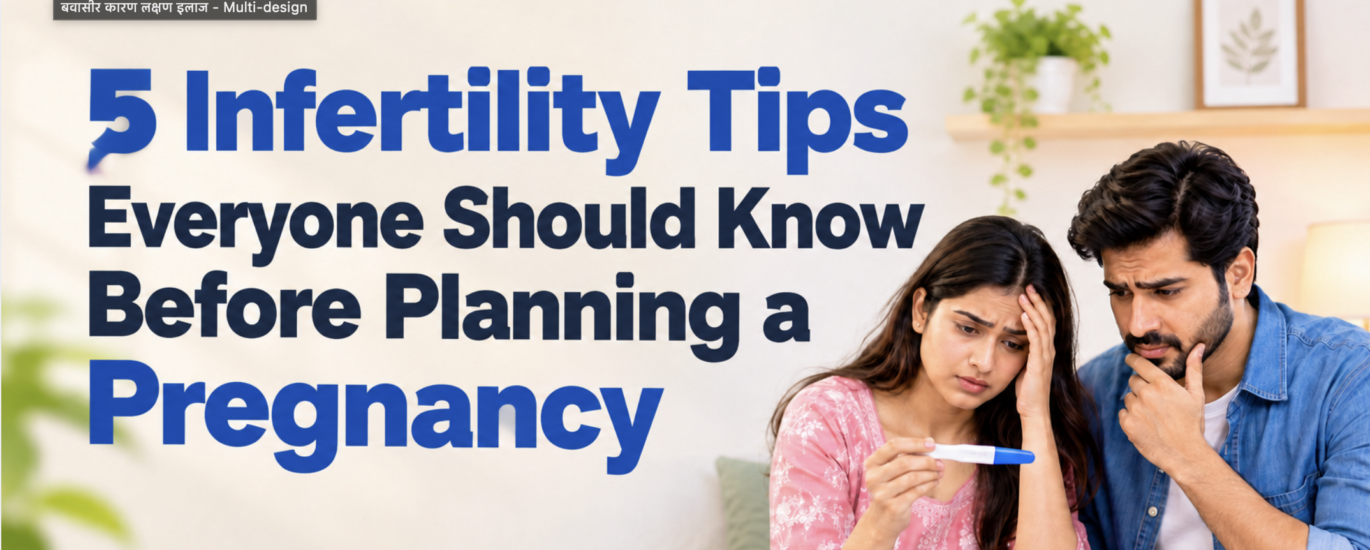
Planning a pregnancy? Understanding your reproductive health is an important first step. For many couples, becoming parents is a beautiful dream. However, pregnancy does not always happen as quickly as expected. Lifestyle habits, hormonal health, age and reproductive conditions can all influence fertility.
According to the World Health Organization (WHO), approximately 1 in 6 people worldwide experience infertility during their lifetime. Infertility can affect both men and women. Therefore, pregnancy planning should be a shared responsibility.
The good news is that couples can take practical steps to support their reproductive health before trying to conceive.
In this blog, we will explore five important infertility tips, healthy lifestyle habits and pre-pregnancy care practices that every couple should know.
Table of Contents
- Why Is Fertility Awareness Important Before Pregnancy?
- 5 Infertility Tips Every Couple Should Know
- How Does Ayurveda Support Reproductive Wellness?
- Important Pre-Pregnancy Care Tips
- When Should You Consult a Fertility Specialist?
- Frequently Asked Questions
- Conclusion
Why Is Fertility Awareness Important Before Pregnancy?
Fertility depends on several factors, including age, hormonal balance, ovulation, sperm health and overall physical wellbeing.
Both partners should understand their reproductive health before planning a pregnancy.
Some common factors that may affect fertility include:
- Irregular menstrual cycles
- Hormonal imbalances
- Polycystic Ovary Syndrome (PCOS)
- Thyroid disorders
- Poor sperm quality
- Smoking and excessive alcohol consumption
- Certain reproductive health conditions
Identifying possible concerns early can help couples make informed decisions about pregnancy planning.
5 Infertility Tips Every Couple Should Know
Here are five practical infertility tips that couples can follow to support their reproductive health.
1. Understand Your Menstrual Cycle and Fertile Window
Understanding the menstrual cycle is one of the first steps in pregnancy planning.
Ovulation occurs when an ovary releases an egg. The fertile window generally includes the five days before ovulation and the day of ovulation.
Couples can improve their understanding of this period by following a few simple steps:
- Track menstrual dates every month.
- Understand your usual cycle length.
- Observe changes in cervical mucus.
- Discuss irregular periods with a healthcare professional.
- Consider ovulation tracking methods when recommended.
The American Society for Reproductive Medicine suggests having intercourse every one to two days during the fertile window.
Understanding ovulation can help couples plan pregnancy more effectively.
2. Follow a Balanced Diet for Better Reproductive Health
Nutrition plays an important role in overall health and reproductive wellbeing.
A balanced diet provides essential vitamins, minerals, proteins and healthy fats. Both partners should pay attention to their daily food choices.
Here are some healthy food options to include in your meals:
| Food Group | Healthy Food Examples |
|---|---|
| Fresh fruits | Apple, orange, guava and papaya |
| Green vegetables | Spinach, broccoli and beans |
| Whole grains | Oats, millets and whole wheat |
| Protein sources | Lentils, chickpeas and moong dal |
| Healthy fats | Almonds, walnuts and seeds |
Important tip for women: The CDC recommends 400 micrograms of folic acid daily for women who may become pregnant. Speak with your healthcare professional about the right supplement and dosage for your needs.
Healthy eating supports general wellbeing, but no particular food can guarantee pregnancy.
3. Give Equal Importance to Male and Female Fertility
One of the most important infertility tips is understanding that fertility is not only a woman’s responsibility.
Male and female reproductive health both contribute to conception.
Female fertility care:
- Maintain a healthy body weight.
- Track menstrual cycle changes.
- Discuss PCOS and thyroid concerns with a doctor.
- Seek medical advice for unusual pelvic pain.
- Avoid self-medication.
Male fertility care:
- Avoid smoking and recreational drugs.
- Limit or avoid alcohol.
- Maintain regular physical activity.
- Follow a balanced diet.
- Consult a doctor about possible sperm-related concerns.
If pregnancy is taking longer than expected, both partners should consider a medical evaluation.
4. Manage Stress, Exercise Regularly and Improve Sleep
Daily habits can influence overall physical and emotional wellbeing.
Pregnancy planning can sometimes create emotional pressure. Couples should support each other and avoid unnecessary stress.
Consider these simple lifestyle practices:
- Walk for approximately 30 minutes, according to your fitness level.
- Practise gentle yoga and stretching.
- Maintain regular sleeping hours.
- Eat meals at consistent times.
- Take breaks from work and screens.
- Spend quality time together.
Stress alone does not explain infertility. However, maintaining emotional wellbeing can make the pregnancy planning journey healthier and more manageable.
5. Get a Health Check-Up Before Planning Pregnancy
A pre-pregnancy health assessment helps couples understand their current health and identify concerns that may need attention.
A healthcare professional may review:
- Menstrual and reproductive history.
- Existing medical conditions.
- PCOS and thyroid-related concerns.
- Current medicines and supplements.
- Previous pregnancy history.
- Family medical history.
- Male reproductive health, including semen analysis when indicated.
When should you seek fertility advice?
According to the American Society for Reproductive Medicine (ASRM):
- Women under 35 should generally seek an infertility evaluation after 12 months of regular, unprotected intercourse without pregnancy.
- Women aged 35 or older should generally seek evaluation after 6 months.
- Women over 40 may benefit from more immediate evaluation.
Do not wait for these time periods if you have irregular periods, known reproductive conditions or other concerns that may affect fertility.
Early medical advice can help identify the next appropriate steps.
How Does Ayurveda Support Reproductive Wellness?
Ayurveda traditionally emphasises overall wellbeing, balanced nutrition, daily routines and individual health needs.
In Ayurvedic practice, reproductive wellness is considered alongside digestion, sleep, lifestyle and general physical health.
Some commonly discussed wellness practices include:
1. Personalised Dietary Guidance
A balanced diet based on individual nutritional needs can support general health.
2. Yoga and Daily Routine
Gentle yoga, breathing exercises and regular sleep habits may support physical and emotional wellbeing.
3. Ayurvedic Wellness Consultation
A qualified Ayurvedic practitioner may discuss traditional wellness approaches based on an individual’s health history.
4. Individualised Lifestyle Guidance
Healthy daily routines, physical activity and stress management can contribute to overall wellness.
At Sambhav Clinic, the focus is on understanding individual health concerns and discussing appropriate healthcare guidance.
It is important to understand that Ayurvedic therapies and medicines are not proven cures for infertility. They should not replace fertility investigations or evidence-based reproductive treatments. Always consult your treating doctor before starting herbal medicines, especially when planning pregnancy.
Important Pre-Pregnancy Care Tips Couples Should Remember
Before trying to conceive, both partners should pay attention to their health.
Here are a few additional precautions:
- Avoid smoking and recreational drugs.
- Avoid alcohol when trying to conceive.
- Maintain a healthy body weight.
- Discuss vaccinations with your healthcare professional.
- Ask about folic acid and nutritional requirements.
- Review existing medicines before pregnancy.
- Avoid unverified fertility supplements.
- Seek professional guidance for existing health conditions.
Remember, healthy pregnancy planning begins before conception.
When Should You Consult a Fertility Specialist?
Many couples worry when pregnancy does not happen immediately. However, every couple’s journey is different.
You should consider consulting a fertility specialist if:
- Your periods are irregular or absent.
- You have been diagnosed with PCOS or endometriosis.
- You have a known thyroid or reproductive health condition.
- You have experienced repeated pregnancy loss.
- You have concerns about sperm health.
- You have been trying to conceive for the recommended period without success.
A proper medical evaluation can help identify possible causes and guide appropriate treatment.
Frequently Asked Questions (FAQs)
1. What are the most important infertility tips before planning a pregnancy?
Understand your menstrual cycle, follow a balanced diet, maintain healthy lifestyle habits, consider both partners’ reproductive health and get a pre-pregnancy health assessment.
2. Can lifestyle changes improve fertility?
Healthy eating, regular physical activity, avoiding smoking and maintaining a healthy weight support overall health. However, lifestyle changes cannot guarantee pregnancy or treat every cause of infertility.
3. Does PCOS affect pregnancy planning?
PCOS can affect ovulation and make conception more difficult for some women. However, many women with PCOS can become pregnant with appropriate medical guidance and treatment.
4. Does male fertility matter when planning pregnancy?
Yes. Male reproductive health plays an important role in conception. Sperm count, movement and shape are among the factors that may be evaluated.
5. Which foods are good before pregnancy?
Fresh fruits, green vegetables, whole grains, lentils, nuts and other nutritious foods can support a balanced diet. Women planning pregnancy should also discuss folic acid supplementation with their healthcare professional.
6. When should couples consult a fertility specialist?
Generally, an evaluation is recommended after 12 months of trying if the woman is under 35, or after 6 months if she is 35 or older. Earlier evaluation may be necessary when known fertility concerns are present.
Conclusion
Planning a pregnancy is an important journey that requires patience, awareness and shared responsibility.
These five infertility tips can help couples make informed decisions about their reproductive health. A balanced diet, regular exercise, menstrual cycle awareness and timely medical consultation are important parts of pre-pregnancy care.
Remember, infertility can affect both partners, and seeking medical guidance is a positive step towards understanding your health.
Take the first step towards better reproductive wellness with informed healthcare guidance.
About Sambhav Clinic
Sambhav Clinic is an Ayurvedic healthcare centre in Meerut that focuses on individualised healthcare guidance, Ayurveda and holistic wellness.
Couples seeking general Ayurvedic wellness guidance can contact the clinic to discuss their health concerns. For infertility diagnosis and pregnancy planning, consultation with a qualified gynaecologist or fertility specialist is important.
Sambhav Clinic – Nurturing Health, Restoring Hope.
Website: https://sambhavclinic.com/
Contact: +91 92594 20584 | +91 63955 66700
Address: Dream City Gate No. 2, Kanakhera, Meerut – 250001, Uttar Pradesh.

Medical Disclaimer: This article is intended for general educational and informational purposes only. It does not replace professional medical advice, diagnosis or treatment. Infertility has several possible causes, and treatment depends on individual health conditions. Ayurvedic medicines and therapies are not guaranteed treatments for infertility. Consult a qualified healthcare professional before starting any medication, supplement or therapy. Individual results may vary.