Mouth cancer early symptoms can sometimes look like common mouth problems. A mouth ulcer, sore throat, or irritation may have many causes. However, symptoms that do not heal or keep returning should be checked by a qualified healthcare professional.
Early detection can make a major difference in cancer care. Knowing the warning signs can help you seek medical advice sooner.
This guide explains the early symptoms of mouth cancer, common risk factors, diagnosis, treatment options, prevention, and when to see a doctor.
Important: Having one of these symptoms does not mean you have cancer. Many mouth problems have non-cancerous causes. Persistent or unusual symptoms should be professionally evaluated.
What Is Mouth Cancer?
Mouth cancer, also called oral cancer, is cancer that can develop in parts of the mouth, including the lips, tongue, gums, inner cheeks, roof of the mouth, and floor of the mouth.
Oral cancer can occur in anyone. However, tobacco and alcohol use are important risk factors.
Some mouth cancers are linked to infection with certain types of human papillomavirus (HPV).
Mouth Cancer Early Symptoms
Recognizing mouth cancer early symptoms can help you know when professional evaluation may be necessary.
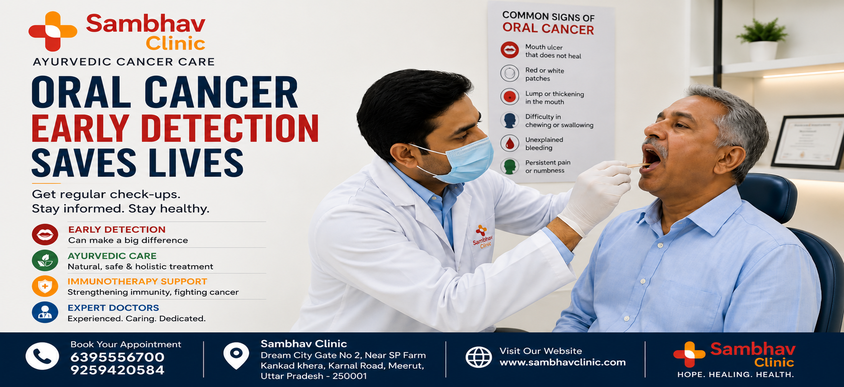
1. A Mouth Ulcer That Does Not Heal
A mouth ulcer is common and usually heals within a short period.
However, an ulcer that does not heal, keeps coming back, or becomes larger should be examined by a healthcare professional.
Do not assume that every persistent mouth ulcer is cancer. An examination is needed to determine the cause.
2. A Lump or Thickened Area
A new lump, swelling, or thickened area inside the mouth or on the lip can be a warning sign.
Pay attention to an area that:
- Continues to grow
- Feels unusually firm
- Does not go away
- Causes discomfort
3. Red or White Patches
Red or white patches in the mouth can sometimes be associated with potentially abnormal changes.
They can also have other causes.
If a patch persists or changes, arrange a professional examination.
4. Unexplained Mouth Pain
Persistent pain in the mouth, jaw, or tongue should not be ignored.
Pain can have many causes, including dental problems and infections. However, ongoing or unexplained pain deserves medical attention.
5. Difficulty Chewing or Swallowing
Difficulty chewing or swallowing can occur for several reasons.
If this problem persists or gets worse, speak with a doctor or dentist.
6. Numbness or Unusual Sensation
Persistent numbness or unusual sensations in the lip, tongue, or mouth can require further investigation.
This is particularly important when there is no obvious explanation.
7. Changes in Your Voice
A persistent change in your voice or ongoing throat discomfort may require medical evaluation.
This is especially important when it occurs alongside other symptoms.
8. Persistent Sore Throat
A sore throat that does not improve or repeatedly returns can have many causes.
If it persists, particularly when accompanied by swallowing difficulties or other mouth changes, seek professional advice.
9. Loose Teeth Without an Obvious Cause
Unexpected loosening of a tooth can sometimes be associated with oral health problems.
If a tooth becomes loose without an obvious dental explanation, arrange an examination with a dentist or doctor.
10. Unexplained Bleeding
Bleeding from the mouth without an obvious cause should be evaluated, particularly when it continues or occurs repeatedly.
Mouth Cancer Symptoms at a Glance
| Warning sign | What to do |
|---|---|
| Persistent mouth ulcer | Get it examined |
| Red or white patch | Seek professional evaluation if persistent |
| Lump or thickened area | Arrange an examination |
| Persistent mouth pain | Discuss it with a healthcare professional |
| Difficulty swallowing | Seek medical advice |
| Persistent numbness | Get evaluated |
| Unexplained bleeding | Arrange an examination |
| Persistent sore throat | Seek medical advice |
| Unexplained loose tooth | See a dentist or doctor |
| Voice changes | Get checked if persistent |
Remember, these symptoms do not automatically mean mouth cancer. A healthcare professional can determine the underlying cause.
What Causes Mouth Cancer?
There is no single cause of mouth cancer. Several factors can increase risk.
Tobacco Use
Smoking cigarettes, using smokeless tobacco, and other forms of tobacco can significantly increase the risk of oral cancer.
Avoiding tobacco is one of the most important ways to reduce your risk.
Alcohol
Heavy alcohol consumption can increase the risk of mouth and other cancers.
The combination of tobacco and alcohol can increase the risk further.
HPV Infection
Certain types of HPV can contribute to some cancers of the mouth and throat.
Sun Exposure
Long-term exposure to ultraviolet radiation can increase the risk of cancers of the lip.
Using appropriate sun protection can help reduce this risk.
Age and Other Factors
The risk of many cancers increases with age. Family history, immune system factors, and other health conditions may also influence cancer risk.
How Is Mouth Cancer Diagnosed?
If a doctor or dentist finds a suspicious area, they may perform a physical examination and ask about your symptoms and medical history.
Further tests may include:
- Examination of the mouth and throat
- Imaging tests
- Biopsy
- Additional laboratory or pathology testing
A biopsy is often needed to determine whether abnormal tissue contains cancer cells.
Do not try to diagnose mouth cancer based only on symptoms or photographs.
How Is Mouth Cancer Treated?
Treatment depends on the type and stage of cancer and the patient’s overall health.
Possible treatments include:
Surgery
Surgery may be used to remove cancerous tissue when appropriate.
Radiation Therapy
Radiation therapy uses high-energy radiation to destroy cancer cells.
Chemotherapy
Chemotherapy uses medicines to destroy or control cancer cells.
Targeted Therapy
Targeted medicines work against specific features of cancer cells when appropriate.
Immunotherapy
Immunotherapy helps the immune system recognize and attack certain cancer cells. It is suitable for some patients based on their cancer type and other medical factors.
A cancer specialist determines the appropriate treatment after diagnosis and staging.
Can Ayurveda Treat Mouth Cancer?
Ayurveda is a traditional Indian healthcare system that focuses on individualized care, lifestyle, diet, and overall wellbeing.
Some people explore Ayurvedic cancer care as complementary support during their cancer journey.
However, there is not enough high-quality evidence to conclude that Ayurvedic medicines can cure mouth cancer or replace established cancer treatments.
Patients should not delay surgery, radiation, chemotherapy, immunotherapy, or other recommended cancer treatment in favor of an unproven alternative.
If you use Ayurvedic herbs or supplements, tell your doctor. Some products can interact with cancer medicines or affect treatment.
Sambhav Clinic and Cancer Care in Meerut
People searching for cancer care in Meerut may also come across Sambhav Clinic, which describes its services as including Ayurveda-based healthcare, personalized care, and immunotherapy-focused cancer services.
You can learn more about its cancer-related services here:
Sambhav Clinic Cancer Treatment
The clinic also provides information about its approach and healthcare team:
If you are experiencing a persistent mouth ulcer, lump, unusual patch, bleeding, or another concerning symptom, get an appropriate medical or dental examination rather than relying on online information alone.
How Can You Reduce the Risk of Mouth Cancer?
You cannot prevent every case of mouth cancer. However, several lifestyle choices can reduce risk.
1. Avoid Tobacco
Do not smoke or use smokeless tobacco.
2. Limit Alcohol
Reducing alcohol consumption can lower the risk of several cancers.
3. Protect Your Lips
Use appropriate lip protection when spending significant time in strong sunlight.
4. Maintain Oral Hygiene
Brush regularly, clean between your teeth, and attend appropriate dental check-ups.
5. Pay Attention to Changes
Know what is normal for your mouth.
If you notice a persistent change, get it checked.
6. Consider HPV Prevention
Discuss HPV vaccination with a qualified healthcare professional when appropriate.
When Should You See a Doctor or Dentist?
Do not panic if you notice a mouth ulcer or another change. Most mouth problems are not cancer.
However, you should arrange a professional examination if a mouth change:
- Does not heal
- Keeps returning
- Gets larger
- Becomes painful
- Bleeds without an obvious cause
- Causes difficulty swallowing
- Is associated with numbness
- Is accompanied by an unexplained lump
Early evaluation is better than ignoring a persistent symptom.
Frequently Asked Questions
What are the early symptoms of mouth cancer?
Common warning signs can include a persistent mouth ulcer, red or white patches, a lump or thickened area, unexplained bleeding, persistent pain, numbness, difficulty swallowing, and changes in the voice.
Is every mouth ulcer a sign of cancer?
No. Most mouth ulcers are caused by non-cancerous conditions and heal naturally. A persistent or unusual ulcer should be examined by a healthcare professional.
Can mouth cancer be cured?
Many mouth cancers can be treated, especially when detected earlier. The outlook depends on the cancer type, stage, location, and other factors.
Does tobacco cause mouth cancer?
Tobacco use is a major risk factor for mouth cancer. Avoiding tobacco can significantly reduce your risk.
Can Ayurveda cure mouth cancer?
There is currently insufficient high-quality evidence to say that Ayurvedic medicine can cure mouth cancer. Ayurveda should not replace evidence-based cancer treatment.
Final Thoughts
Knowing the early symptoms of mouth cancer can help you recognize changes that need professional attention.
A persistent mouth ulcer, unusual patch, lump, bleeding, numbness, or difficulty swallowing does not necessarily mean cancer. However, these symptoms should not be ignored when they persist.
Early evaluation, accurate diagnosis, and appropriate treatment are important parts of cancer care.
For people in Meerut researching cancer-care options, Sambhav Clinic provides information about its Ayurveda-based and personalized healthcare services.
If you have a persistent or concerning mouth symptom, consult a qualified dentist, doctor, or cancer specialist for an examination.